
Moving to Cantabria: The Complete Guide (2026)Everything you need to know before you relocate to Northern Spain
From housing and schools to residency, daily life, and what a soft landing actually looks like.
01 — Why we existA different kind of move
We call it a soft landing. And it's the idea at the heart of everything we do.

Most people who find their way to Cantabria aren't just looking for a change of address.
They're looking for a different way of living. More space. More time outdoors. A slower rhythm. A community that still feels like one.
What they're not always prepared for is how much work it takes to get there — the paperwork, the housing search, the school system, the bureaucracy that can feel impenetrable if you don't know where to start.
That's where we come in.
Move to Cantabria was founded by two expats who relocated here and built a life in Northern Spain. We created this service because we know what the process actually feels like from the inside — and because we believe the transition into life here should feel manageable, not overwhelming.
02 — Our philosophyWhat is a soft landing?
A soft landing isn't a product or a package. It's a philosophy.
It means arriving in Cantabria with:
✔ A realistic understanding of what's ahead
✔ A clear plan for the first weeks and months
Because the reality of international relocation is that the challenges rarely arrive one at a time. Housing affects schooling. Paperwork affects timelines. A delay in one area creates pressure in another.
The families and individuals who settle well here are usually the ones who had the right support in place before those pressures built up.
That's what we're here to provide.
✔ Support from people who know the system
✔ Someone to call when things don't go to plan
03 — Fit checkIs Cantabria right for you?
Best suited to:
Families, remote workers, and lifestyle relocators looking for a high quality of life outside of Spain's major cities.
What draws people here:
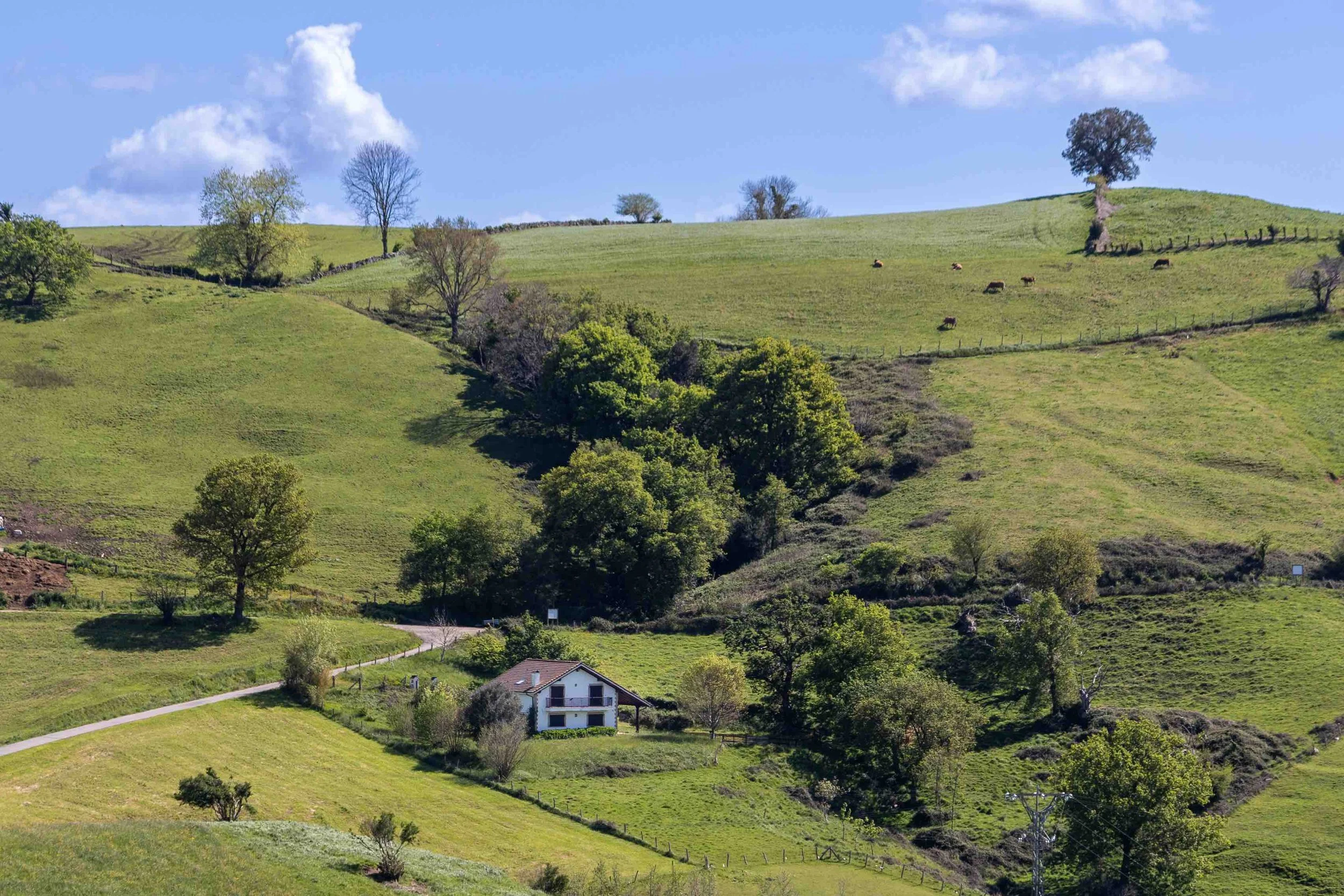
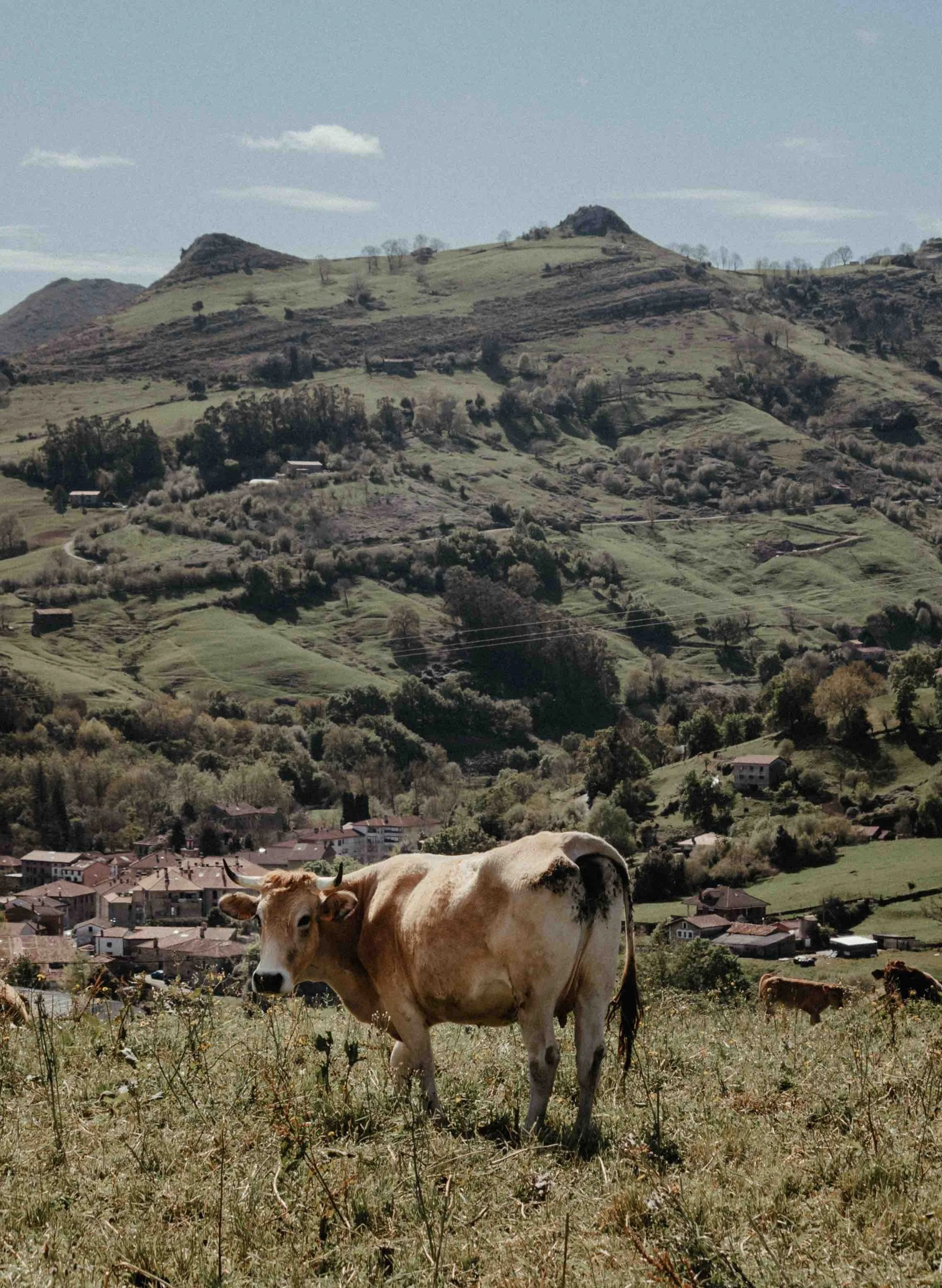
Coastline, mountains, green landscapes, a genuine sense of community, and a pace of life that's hard to find in larger urban centres.
Cost of living:
Generally lower than Madrid or Barcelona, though housing in Santander and popular coastal areas has become more competitive in recent years.
The honest challenge:
Cantabria is not a well-trodden expat destination. There's no large international community to fall back on, which for many people is exactly the appeal — but it does mean that navigating Spanish systems without local knowledge or support can be genuinely difficult.
Language:
Spanish is essential for everyday life, administration, and integration. Most of our clients are at varying stages of learning, and we help them navigate the systems regardless of where they are with the language.
04 — Our supportHow we help people relocate to Cantabria
We're not immigration lawyers, and we don't pretend to be. For visa routes and legal immigration advice, we work with trusted partners who we can connect you with.
What we do is guide you through everything that happens once you've decided to make the move — the practical, on-the-ground process of establishing your life in Cantabria.
That means three core areas of support:

Property search and housing support
Finding long-term rental housing in Cantabria is one of the most consistently difficult parts of the relocation process for international arrivals.
The rental market — particularly in and around Santander — is competitive, supply is limited, and landlords often expect documentation and references that international clients don't yet have. Without local knowledge, it's easy to spend weeks searching and still end up without somewhere to live.
We help clients:
Understand how the local rental market actually works
Identify the right areas based on their priorities (schools, commute, lifestyle, budget)
Navigate communication with agents and landlords
Avoid the common mistakes that cause delays
We also help clients understand what realistic expectations look like — because arriving with the wrong picture of the market is one of the things that causes the most stress early on.
Schools and family integration
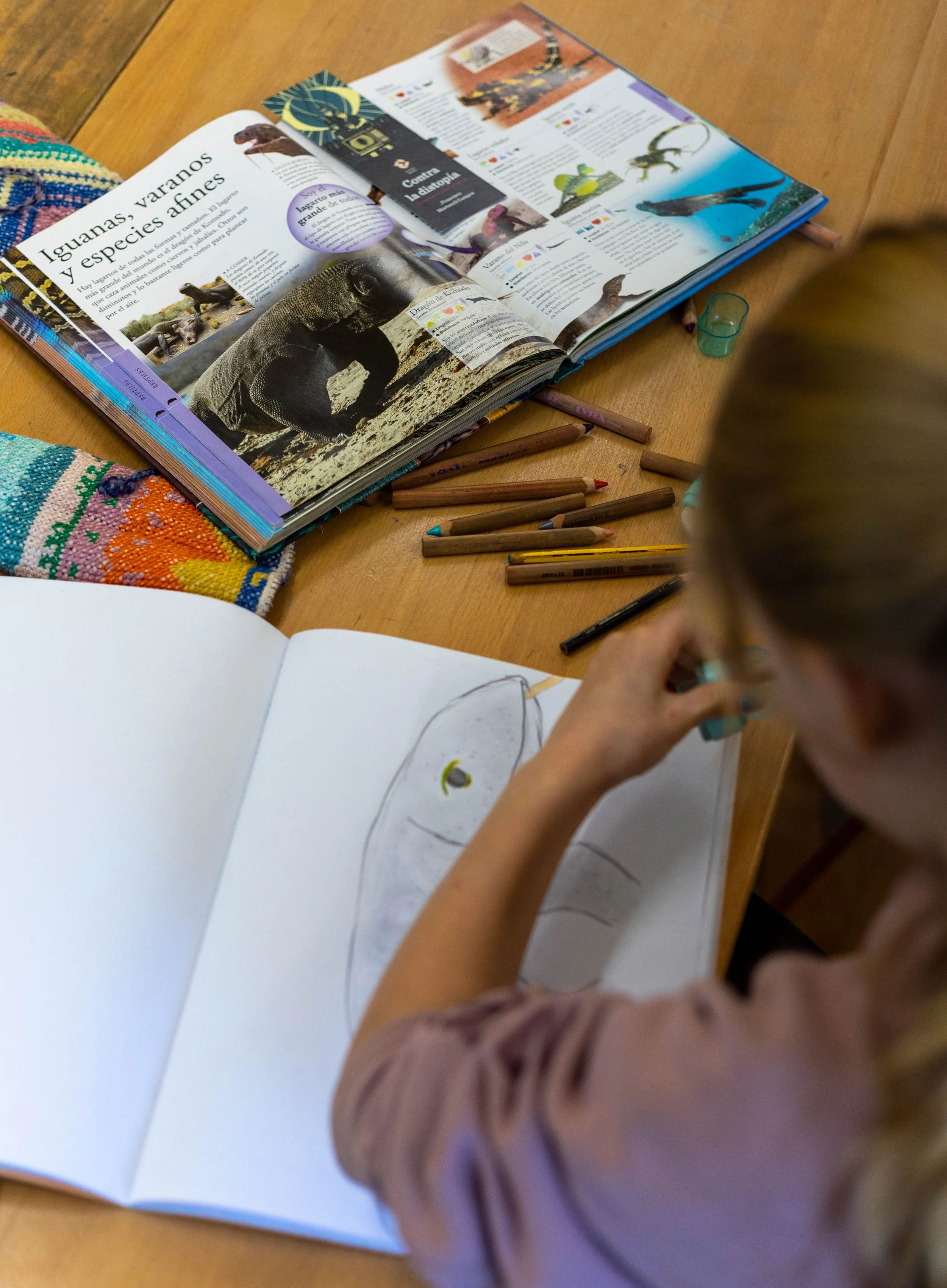
For families, schools are usually the single most important anchor point for settling into life in Cantabria.
The Spanish school system has three main types of school: public (colegios públicos), semi-private (concertados), and fully private or international. Each works differently, has different application processes, and suits different families for different reasons.
We support parents in:
Understanding the differences between school types
Identifying schools that fit their children's needs and their location
Navigating application timelines and processes
Managing the transition for children who are joining mid-year or arriving without Spanish
Getting schools right early tends to have a positive knock-on effect on everything else — routines settle, friendships form, and families begin to feel genuinely at home. You can read our full guide to choosing a school in Cantabria.

Residency, NIEs and TIEs
Once you arrive in Spain, you'll need to work through a set of administrative processes to establish your residency legally and access services. This typically includes:
Registering on the padrón (the local municipal register)
Obtaining your NIE — your Spanish foreigner identification number
Applying for your TIE — your physical residency card
The process is manageable, but the order of steps matters, appointments can be difficult to secure, and errors in documentation can cause significant delays.
We guide clients through the correct sequence, help them understand what's needed at each stage, and are there to troubleshoot when things don't go smoothly.
For visa applications and pre-arrival immigration advice, we work with trusted legal partners and will connect you with the right people for your specific situation. For a detailed walkthrough of the process, read our guide to NIEs and TIEs in Spain.
05 — Before you arriveUnderstanding life in Cantabria before you arrive
One of the hardest things about moving internationally is that you can research a place extensively and still arrive without a real sense of what everyday life feels like.
That's one of the reasons we created the Move to Cantabria Podcast.
It's a series of honest conversations about life in Northern Spain — covering education, culture, housing, integration, and the realities of building a life here as someone who wasn't born in the region.
For many of our clients, listening to the podcast becomes part of the process of preparing for the move — not just logistically, but emotionally. It helps people arrive with a more realistic picture, which is itself a form of soft landing.
You can find the podcast here:
Frequently Asked Questions
-
Yes — particularly for families and remote workers looking for a high quality of life, access to nature, and a slower pace of living. It suits people who want to integrate into Spanish life rather than live alongside it.
-
It can be. Long-term rental supply in Santander and surrounding areas is limited, and the market moves quickly. International clients without local contacts or Spanish documentation often find it harder than they expect. Starting the search early and understanding the market beforehand makes a significant difference.
-
Your NIE is your foreigner identification number — a reference number used across all administrative processes in Spain. Your TIE is the physical card that confirms your residency status. Most people need both, and they're obtained through separate processes.
-
Spanish is essential for navigating daily life, administration, and building relationships in the community. Most people improve significantly after arriving, but having at least a basic level before you move makes the first few months considerably easier.
-
We don't provide immigration or legal advice, but we work with trusted partners who do. We can connect you with the right people based on your situation and residency route.
-
The earlier the better. Housing searches, school applications, and administrative processes all have timelines that benefit from preparation. We'd recommend reaching out at least three to six months before your planned arrival where possible.
Begin your soft landing
Relocating to Cantabria is one of the most significant decisions you'll make — and the quality of that transition matters. The clients who settle most smoothly are usually the ones who arrived with a clear plan, realistic expectations, and the right support in place before things got complicated.
If you're planning a move to Northern Spain, we'd love to help you build yours.
Move to Cantabria is Cantabria's first and only dedicated relocation service, founded by two expats with lived experience of relocating to Northern Spain.